Grow your online community or business
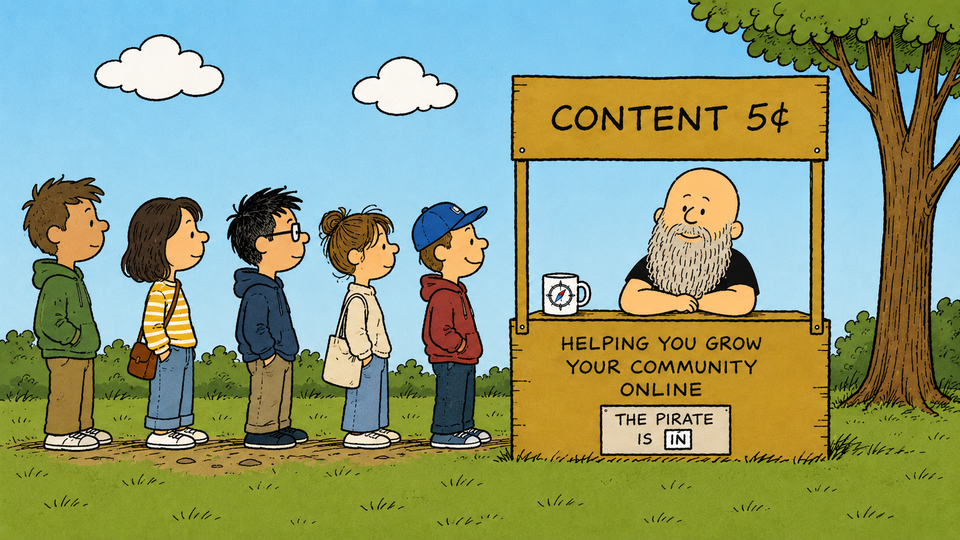
A CMS (Think blog, or newsletter) is an excellent way to organically grow business or community online. Regularly providing useful content related to your area of interest or expertise helps tie your website and services into search engines and AI indexers, and will help your business be discovered without massive advertising costs, and even allow you to cultivate subscription income for custom content.
There are a number of good “full service” options available, like Medium, Substack, Wix, Squarespace, and WordPress.com, choosing the right platform depends on what you are trying to build.
Hosted platforms like those are inexpensive, sometimes free, to get started. They can also help with discoverability, distribution, and traction for your website, brand, newsletter, or blog. Substack, for example, is free to publish on until you enable paid subscriptions, at which point it takes 10% of each transaction plus Stripe fees. Wix lets you start for free, but you need a premium plan to connect your own domain and remove Wix branding. WordPress.com offers paid-newsletter tools, premium content gating, subscriber tools, and monetization features, especially as you move into paid plans.
That convenience is real, and for many people it may be enough.
But it also comes with tradeoffs. Hosted platforms can give you less control over monetization, design, analytics, data ownership, integrations, and long-term platform direction. Their pricing, rules, and feature access can change. Some features that matter to a growing business, such as stronger SEO tools, developer-level access, e-commerce, staging, or advanced customization, may require higher-tier plans. And switching can be difficult after you’ve built your community.
There is also a growing concern around how creator content is used in the AI era. Medium, for example, publicly opted its platform out of AI training sets in 2023, but also said it expected to opt back in once protocols around credit and compensation were established. More broadly, regulators are now forcing major platforms like Google to give publishers stronger tools to opt out of AI-powered scraping and AI search features, reflecting how important content control has become for anyone publishing on the web.
Self-hosting is not automatically better. It is a tradeoff. You take on more responsibility, but you also gain more control. If your site is simply a personal journal, a hosted service may be the right choice. But if your content is part of your business, your brand, your community, or your long-term customer pipeline, owning more of the platform can matter.
I first got interested in self-hosted CMS (content management systems) back in 2008, when Matt Mullenweg, of Automattic and WordPress fame, came and gave a talk about the budding blog space to our tech club in Hawaii. Since then, as a web developer, I’ve built pages using many of the modern frameworks, and more than a few deprecated ones. I’ve worked with WordPress, Drupal, custom sites, and more recently I’ve begun using a Docker-deployed Ghost stack for my own content. I’ve also felt the pain of lost content, changed billing practices, on various hosted options as over enough time these services can change or go out of business.
The lesson I’ve learned is that the “right” solution depends less on which platform is trendy and more on what you need the site to do. Do you need a simple place to publish? Do you need paid subscriptions? Do you need ownership of your audience data? Do you need analytics, custom pages, lead capture, social sharing, search visibility, or room to build custom tools later?
I recently moved to the Netherlands on a DAFT visa, and as a part of that have begun a new business, and hope to use free, quality content as a way to drive search engine and now AI traffic to my services, and I have shared the details around the stack that I chose to use for this site (and a related hustle providing migration assistance) to help others who want to take a stab at it on their own, but also to showcase how useful it can be to have a little help at the right time from someone who really knows the space.
 BadPirate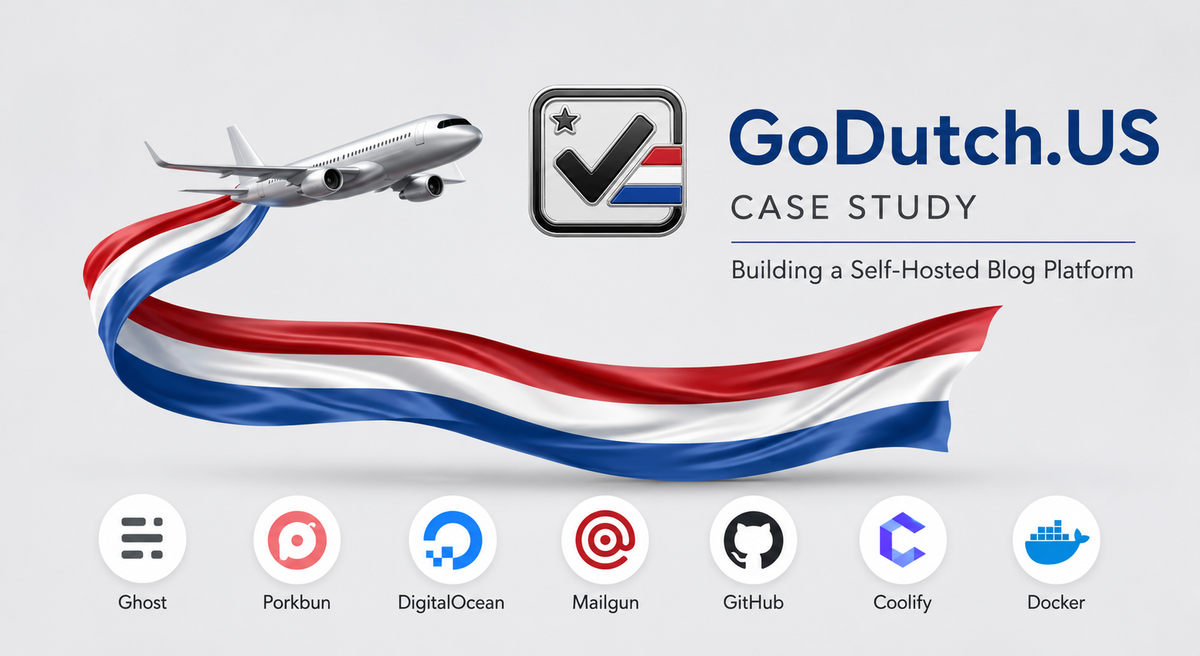
Getting that choice right takes some experience and expertise, which is what my new business, Kaperkunde — Pirate-Craft in Dutch — is all about. So if you are looking to grow and communicate with your community, whether for your small business, a professional service, a publication, or even a serious hobby, set up a free 30-minute consultation. Let my experience be your asset.
 BadPirate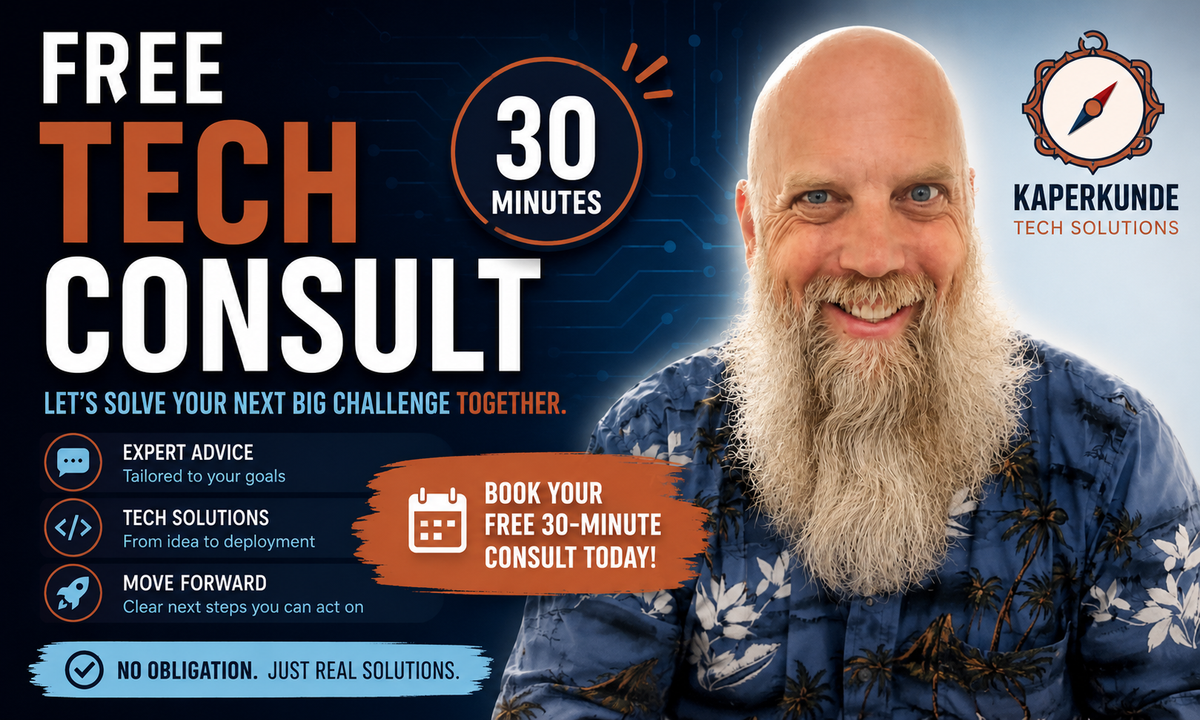
Member discussion